





- New
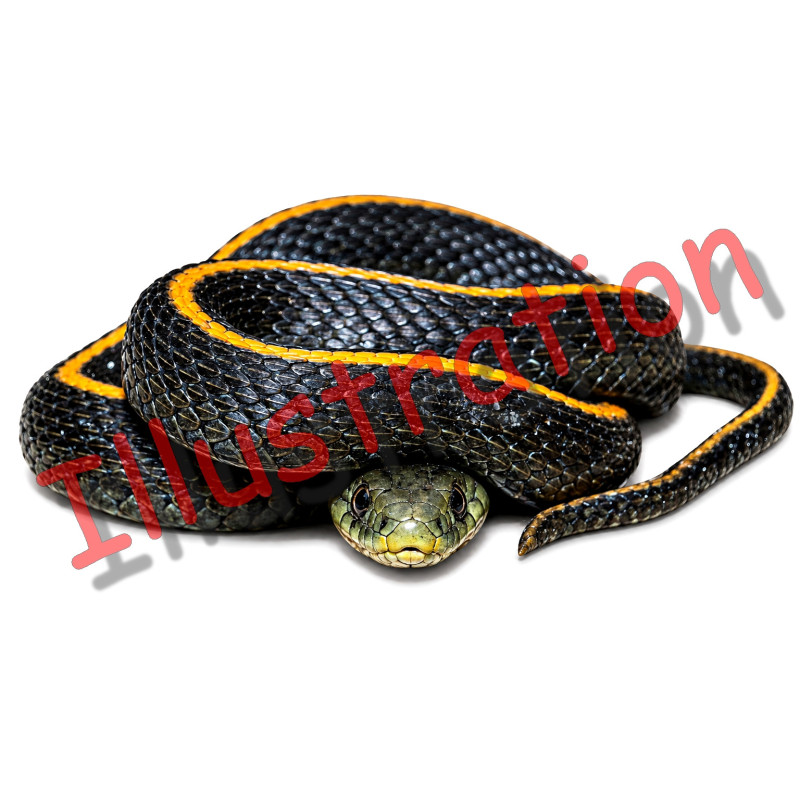
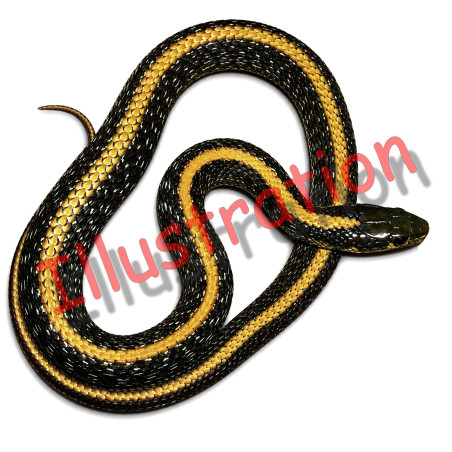


Nom scientifique : Thamnophis atratus atratus
Français : Couleuvre rayée de Santa Cruz
Anglais : Santa Cruz Garter Snake
Allemand : Santa-Cruz-Strumpfbandnatter
Néerlandais : Santa Cruz-kousenbandslang
 15-day money-back guarantee! (excluding animals)
 Delivery with tracking number; guaranteed breakage-free or 100% money back!
 Deliveries only to Belgium, France, Luxembourg, Hamm (DE) and Houten (NL)
• Neonates (approx. 0–3 months): about 24 × 18 × 7 cm, such as a 3-litre Braplast tub.
• Juveniles (approx. 3–6 months): at least 30 × 30 × 30 cm.
• Subadults (approx. 6–18 months): at least 45 × 45 × 45 cm, ideally 60 × 45 × 45 cm.
• Adults (18–24 months and older): at least 90 × 45 × 45 cm for one adult. Add 20% more floor area for each additional snake.
• Note: These are husbandry recommendations, not absolute biological requirements. Aim to provide as much floor space as possible. The minimum enclosure size should take the snake's size into account: snake length = enclosure width + depth.
• Enclosure type: A well-ventilated, escape-proof terrestrial/semi-aquatic enclosure, with gaps smaller than 1 mm for neonates, and enough length to establish a thermal gradient.
• Dimensions: See the recommendations above. Young snakes need secure cover and should not be placed in an overly large, bare enclosure. Adults benefit from the largest practical enclosure, with ample room to explore.
• Substrate: Suitable options include lignocel, untreated natural soil, additive-free soil/compost mixes, or paper towels. A depth of 5–10 cm allows the snake to partially bury itself. Provide both drier areas and a slightly more humid microclimate.
• Furnishing: Provide several hides, a large water dish in which the snake can fully immerse, vegetation, low branches and structures offering different levels. Place hides in both warm and cool areas, and provide a warm resting area and a cooler retreat.
• Note: Thamnophis may ingest substrate stuck to food. Avoid fine sand, dusty or chemically treated substrates, wood shavings and materials that can easily be swallowed. Young snakes are particularly active and should be able to reach cover quickly. A well-structured enclosure offers security without restricting movement.
• Daytime ambient temperature: approximately 22–26 °C.
• Warm zone: approximately 27–29 °C.
• Basking hot spot: approximately 30–32 °C, locally beneath the heat source.
• Night temperature: ideally around 20–22 °C, avoiding excessive drops.
• Heating: A thermostat-controlled heat mat beneath part of the floor at one end of the enclosure and/or a heat lamp.
• Thermal gradient: Keep the warm zone at one end and a distinctly cooler area at the other, allowing the snake to regulate its body temperature.
• Species note: Avoid uniformly high temperatures throughout the enclosure. This is an aquatic garter snake associated with permanent or semi-permanent waters, including shallow rocky creeks and flowing streams. Offer a choice of temperatures and access to both land and water. The figures above are general starting points, not a validated species-specific protocol.
• Daytime humidity: approximately 40–60%, with natural variation between enclosure areas.
• Night-time humidity: approximately 50–65%, without keeping the substrate constantly waterlogged.
• Hydration: Clean water must be available at all times; the snake may regularly immerse itself.
• Water dish: Use a stable, generously sized container deep enough for full immersion but easy to enter and leave. Replace the water regularly and immediately if soiled.
• Species note: Thamnophis atratus atratus is associated with permanent or semi-permanent water bodies, particularly streams and creeks. A large, permanently available water area is therefore important. High air humidity is not a substitute for access to clean water.
• Ventilation: Provide effective, continuous ventilation to prevent stagnant air, excessive moisture and mould.
• UVB lighting: Low to moderate UVB may be provided, with shaded areas so the snake can choose its exposure. UVB should be considered beneficial, although its precise requirement for this subspecies is not firmly established.
• Visible light: Use LED lighting or a fluorescent tube to provide bright, white daytime illumination.
• Photoperiod: approximately 10–14 hours of light per day, adjusted gradually with the seasons.
• Neonates and juveniles: Offer appropriately sized whole or cut earthworms (not compost worms), thawed whole or cut pinkie mice/rats, and suitably sized fish. Avoid fish containing thiaminase. Examples generally considered thiaminase-free include trout, salmon, guppies, silversides and smelt. Vary the diet and match prey size to the snake.
• Subadults and adults: Offer a varied diet based on appropriately sized whole prey, as for juveniles. Suitable amphibians may occasionally be offered only when their health status and legal origin are fully assured.
• Frequency: Neonates: about every 2–3 days; juveniles: every 3–5 days; subadults and adults: generally every 5–7 days. Adjust according to body condition and prey type.
• Species note: Variety is essential. Do not feed fish exclusively: some fish contain thiaminase, which can cause vitamin B1 deficiency, and fish alone may not provide a complete diet. Whole rodents and earthworms can form part of a varied captive diet. In the wild, aquatic garter snakes prey on fish and amphibians; prey availability varies by locality.
• Supplements: A varied diet of appropriately selected whole prey will not usually require routine supplementation, provided the diet is nutritionally balanced.
• Hydration: Fresh, clean water must always be available in a container large enough for bathing. Replace it regularly and whenever soiled.
• Safety: This species is not considered dangerous to humans under normal handling conditions. Like other garter snakes, it has mildly toxic oral secretions that assist in subduing prey; a bite may cause a local reaction, particularly if the bite is prolonged. It may also release a strong-smelling cloacal secretion when threatened.
• Handling technique: Avoid sudden movements. Support the body at two or more points, using both hands if necessary, without squeezing. Never lift the snake by the tail.
• Species note: Young snakes may be particularly quick and defensive. Gentle, limited habituation may reduce stress over time, but handling should be avoided during shedding, digestion or periods of stress.
• Hygiene: Wash hands thoroughly before and after handling or enclosure maintenance. Regularly clean and disinfect soiled equipment.
• In captivity: A seasonal cooling period may be considered for healthy adults, particularly for breeding purposes. Its relevance depends on the geographic origin of the animal and the seasonal conditions experienced by its source population. A deep brumation should not automatically be assumed necessary.
• Temperature: If seasonal cooling is used, reduce temperatures gradually over several weeks and take the animal's origin into account. Moderate cooling may be appropriate, but temperatures of 5–8 °C should not be imposed automatically. Duration and temperature must be adapted to health, age and preparation. Never cool a sick, underweight or inadequately prepared animal.
• Photoperiod: Gradually shorten daylight hours in line with seasonal changes. Complete darkness is not necessarily required.
• Feeding: Stop feeding sufficiently early before cooling so the digestive tract can empty completely. Fresh water must remain available.
• Container: If the snake is cooled separately, use an opaque, well-ventilated, escape-proof container with suitable substrate that is slightly moist but never saturated. Provide access to water.
• Breeding: Seasonal cycles may help stimulate reproduction. Mating generally takes place in spring; this species is live-bearing, with births generally occurring in summer. Timing may vary with population and captive conditions.
• CITES status: Thamnophis atratus atratus is not listed in the CITES Appendices. This does not remove the need to check other applicable wildlife and animal-welfare laws.
• Document supplied with the animal: Keep the seller's invoice or transfer document, identifying the species, any known genetic morph, captive-bred origin where applicable, sex (or sold unsexed) and approximate date of birth.
• Documents required for purchase: Requirements depend on the buyer's country and local regulations. Check the rules applicable at the place of residence before purchase; do not assume that no paperwork or permit is required.
• Delivery: Delivery options depend on the seller and the laws governing transport and sale in the destination country. Confirm availability and legality before ordering.
• Responsibility: The buyer is responsible for verifying the legality of possession, transport and any required administrative procedures in their country.
Specific References
No customer reviews for the moment.
Nom scientifique : Thamnophis atratus atratus
Français : Couleuvre rayée de Santa Cruz
Anglais : Santa Cruz Garter Snake
Allemand : Santa-Cruz-Strumpfbandnatter
Néerlandais : Santa Cruz-kousenbandslang